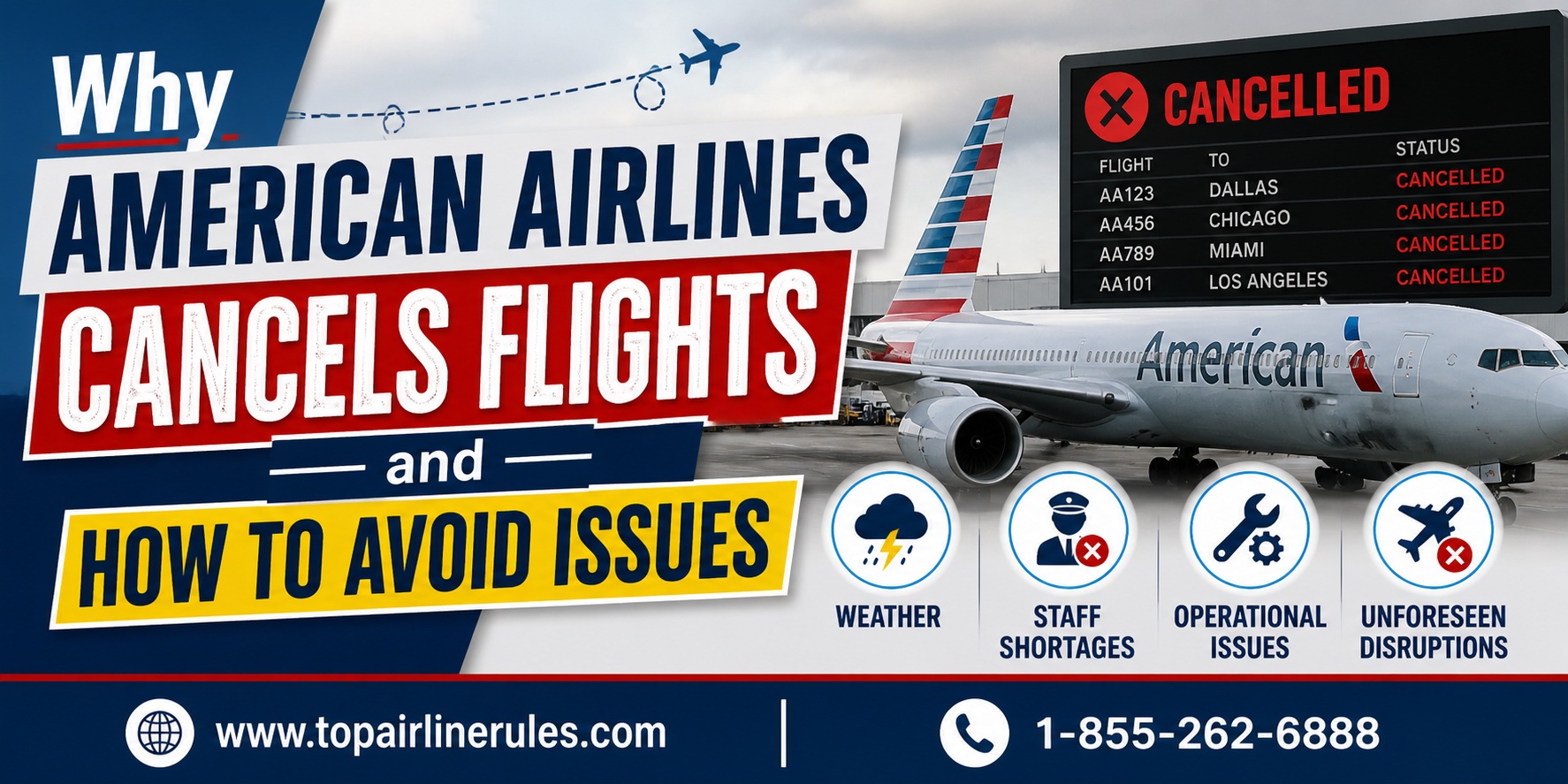

Air travel is designed to be reliable, but disruptions still happen—even with large carriers like American Airlines. Many travelers search for answers when they hear American airlines cancels flights or see sudden changes in their itinerary. This guide explains the real reasons behind disruptions, how they impact your trip, and practical steps you can take to avoid or manage them effectively.
Understanding American Airlines Flight Cancellations
What Leads to American Airlines Flight Cancellations?
American Airlines flight cancellations usually happen due to a combination of operational, environmental, and technical factors. While passengers often assume airlines cancel flights arbitrarily, the reality is more complex.
The most common causes include:
-
Severe weather conditions such as storms, hurricanes, or heavy fog
-
Air traffic control restrictions that limit airport capacity
-
Aircraft maintenance or technical issues
-
Crew availability problems, including pilot shortages or scheduling conflicts
-
Operational disruptions, like airport congestion or system outages
When these issues occur, airlines prioritize safety over schedules. That’s why even a single disruption can ripple across multiple routes, leading to widespread American Airlines delays and cancellations.
American Airlines Cancelled Flights Today: What It Means for Travelers
How Real-Time Disruptions Affect You
When you search for American Airlines cancelled flights today, you’re typically dealing with an immediate travel problem. Same-day cancellations are often caused by unexpected events such as sudden weather changes or last-minute operational issues.
For passengers, this can result in:
-
Missed connections
-
Long airport wait times
-
Difficulty finding alternative flights
-
Increased travel costs if not managed quickly
Airlines usually try to rebook affected passengers automatically, but during peak disruption periods, availability can be limited. This is why staying proactive is essential.
American Airlines Flight Cancellation News: Trends and Insights
Why Cancellations Seem More Frequent
Recent American Airlines flight cancellation news often highlights rising disruptions across the aviation industry. However, this doesn’t always mean airlines are performing worse—it often reflects broader challenges.
Key trends include:
-
Post-pandemic travel surge increasing demand beyond capacity
-
Staffing shortages across airlines and airports
-
Extreme weather patterns becoming more frequent
-
Aging infrastructure and air traffic congestion
These factors contribute to higher visibility of American Airlines flight cancellations, especially during busy travel seasons like holidays and summer months.
American Airlines Delays and Cancellations: Key Differences
Delay vs Cancellation—Why It Matters
Understanding the difference between delays and cancellations can help you respond better.
-
A delay means your flight will still operate but at a later time
-
A cancellation means the flight will not operate at all
Both situations fall under American Airlines delays and cancellations, but your options differ:
-
With delays, you usually wait or request minor adjustments
-
With cancellations, you may need rebooking, refunds, or alternate routes
Knowing this distinction helps you take quicker action and reduce stress.
How to Avoid Issues When American Airlines Cancels Flights
Smart Planning Strategies
While you can’t control airline operations, you can reduce your risk significantly. Here are proven strategies:
1. Choose Early Morning Flights
Flights scheduled earlier in the day are less likely to be affected by cascading delays.
2. Avoid Tight Layovers
Short connection times increase your chances of missing flights if disruptions occur.
3. Monitor Weather Conditions
Weather is a major cause of American Airlines flight cancellations, so check forecasts before traveling.
4. Use Airline Apps and Alerts
Enable notifications for real-time updates on American Airlines cancelled flights today.
5. Book Flexible Tickets
Flexible fares allow changes without heavy penalties if plans shift.
What to Do If Your Flight Gets Cancelled
Immediate Steps to Take
If you find yourself affected by American airlines cancels flights, acting quickly can make a big difference.
-
Check for automatic rebooking
Airlines often assign alternative flights immediately. -
Contact customer support
Use phone, app, or airport counters for faster assistance. -
Request refunds or credits
If travel is no longer possible, you may be eligible for compensation. -
Explore alternate routes
Nearby airports or partner airlines can offer faster solutions. -
Know your rights
Policies vary, but airlines must provide options during cancellations.
Tips to Minimize Travel Disruptions
Proactive Travel Habits
To avoid being heavily impacted by American Airlines delays and cancellations, adopt these habits:
-
Travel with carry-on luggage to avoid baggage delays
-
Arrive early at the airport
-
Keep digital and printed copies of tickets
-
Stay informed through reliable travel updates
-
Consider travel insurance for added protection
These small steps can significantly improve your experience during disruptions.
The Role of Technology in Reducing Cancellations
How Airlines Are Improving
Airlines like American Airlines are investing in technology to reduce American Airlines flight cancellations. These include:
-
Predictive maintenance systems
-
AI-based crew scheduling
-
Real-time operational monitoring
-
Improved communication tools for passengers
While cancellations can’t be eliminated entirely, these advancements are helping airlines respond faster and more efficiently.
Final Thoughts
Flight disruptions are frustrating, but understanding why American airlines cancels flights can help you stay prepared. Whether it’s due to weather, staffing, or operational challenges, most American Airlines flight cancellations are beyond passenger control—but not beyond preparation.
By staying informed, planning smartly, and acting quickly when issues arise, you can minimize the impact of American Airlines cancelled flights today and navigate disruptions with confidence.
For More Information Please Contact- 1-855-262-6888


By Alison Bernard
Published May 02,2026